
Introduction
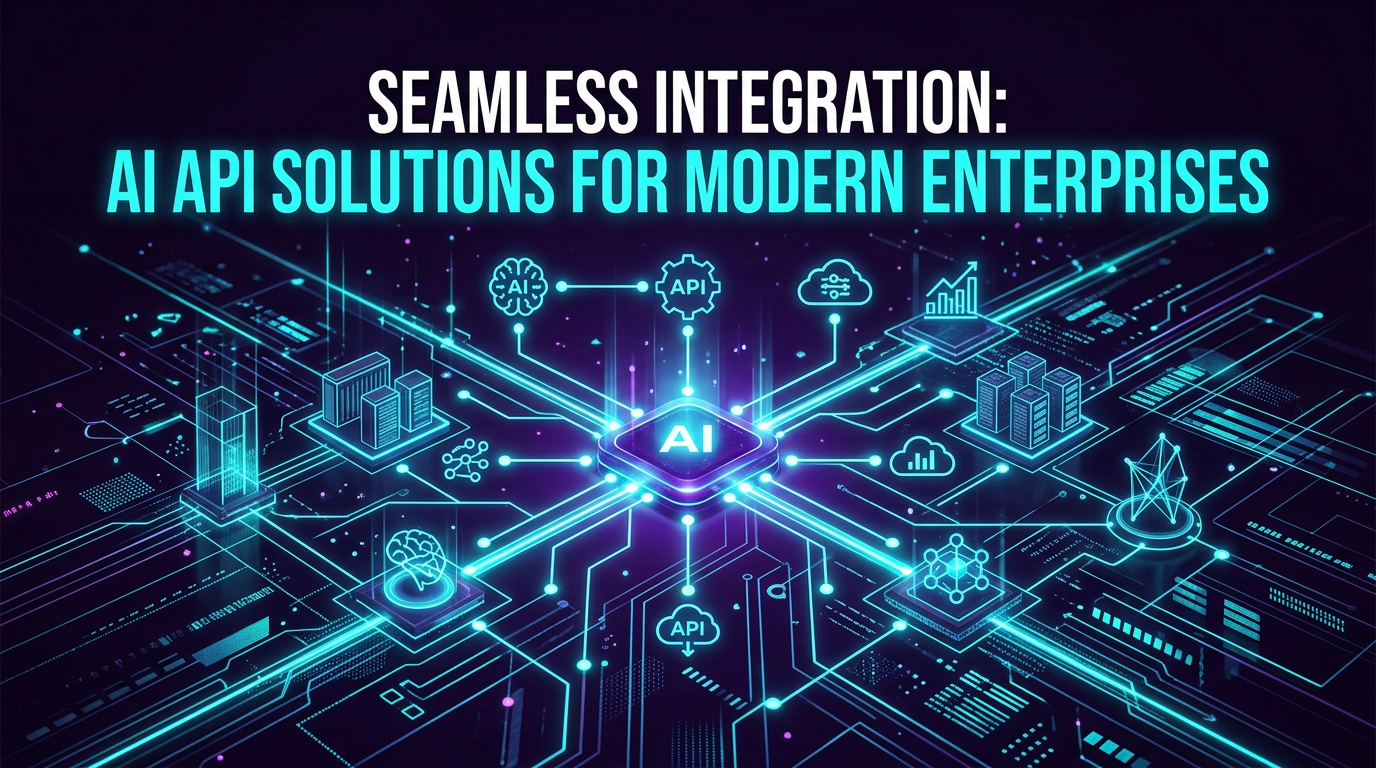
In today's fast-paced digital landscape, enterprises are constantly seeking ways to enhance efficiency and gain a competitive edge. Artificial Intelligence (AI) has emerged as a pivotal technology, driving transformation across various industries. Among its many applications, AI API integration stands out as a powerful tool for modern enterprises. This article delves into the practical implementation of AI API solutions, their business value, potential risks, workflows, key performance indicators (KPIs), and real-world examples.
Understanding AI API Integration
AI APIs, or Application Programming Interfaces, allow businesses to harness the power of AI without the need for extensive in-house development. These APIs offer pre-trained models that can be easily integrated into existing systems, enabling businesses to automate processes, enhance decision-making, and improve customer experiences. The primary advantage of AI API integration is its ability to provide scalable AI solutions that adapt to evolving business needs.
Practical Implementation of AI API Solutions
Step 1: Define Objectives
The first step in implementing AI API solutions is to clearly define the business objectives. Whether it's improving customer service, optimizing supply chain operations, or enhancing product recommendations, having a clear goal is crucial for selecting the right API and measuring success.
Step 2: Choose the Right AI API
With numerous AI APIs available, selecting the right one is critical. Enterprises should evaluate APIs based on factors such as ease of integration, scalability, cost, and the specific AI capabilities they offer, such as natural language processing, image recognition, or predictive analytics.
Step 3: Plan the Integration Process
Effective planning is essential for seamless integration. This involves mapping out the technical requirements, setting timelines, assigning responsibilities, and preparing for potential challenges. Collaborating with stakeholders across departments can help ensure a smooth transition.
Step 4: Execute and Monitor
Once the integration plan is in place, the next step is execution. This involves coding, testing, and deploying the AI API within the existing systems. Continuous monitoring is necessary to ensure the API performs as expected and to make adjustments as needed.
Business Value of AI API Integration
Enhanced Efficiency
AI APIs automate time-consuming tasks, allowing employees to focus on strategic initiatives. For example, customer service chatbots powered by AI can handle routine inquiries, freeing up human agents to address complex issues.
Data-Driven Decision Making
AI APIs provide enterprises with real-time insights and analytics, enabling data-driven decision-making. Predictive analytics APIs can forecast trends and consumer behavior, helping businesses optimize their strategies.
Improved Customer Experience
By leveraging AI APIs, businesses can offer personalized experiences to customers. For instance, AI-powered recommendation engines can suggest products based on previous purchases and preferences, increasing customer satisfaction and loyalty.
Potential Risks and Mitigation Strategies
Data Security Concerns
Integrating AI APIs involves handling sensitive data, which raises security concerns. Enterprises should implement robust security measures such as encryption and access controls to protect data integrity.
Integration Complexity
The complexity of integrating AI APIs with legacy systems can pose challenges. To mitigate this, businesses can work with experienced partners or vendors who specialize in integration services.
Dependence on Third-Party APIs
Relying on third-party APIs means businesses are dependent on external providers for updates and maintenance. Establishing clear service-level agreements (SLAs) can help manage expectations and ensure service continuity.
Workflows and Key Performance Indicators (KPIs)
Workflows
Workflows are essential for guiding the AI API integration process. These workflows should include steps for API selection, integration testing, deployment, and continuous improvement.
KPIs
Measuring the success of AI API integration is crucial for assessing its impact. Key performance indicators may include response time improvements, cost savings, customer satisfaction scores, and increased revenue generated from AI-driven initiatives.
Real-World Examples
Several enterprises have successfully integrated AI APIs to drive business value. For instance, an e-commerce company enhanced its customer service operations by implementing an AI-powered chatbot API, resulting in a 30% reduction in response times and a 20% increase in customer satisfaction scores.
Another example is a logistics firm that used predictive analytics APIs to optimize its supply chain operations. By accurately forecasting demand patterns, the company achieved a 15% reduction in inventory costs and improved delivery times.
Conclusion
AI API integration offers modern enterprises a transformative opportunity to enhance efficiency, drive data-driven decision-making, and improve customer experiences. By following a structured implementation approach, understanding potential risks, and monitoring key performance indicators, businesses can unlock substantial value. As AI technology continues to evolve, the seamless integration of AI APIs will remain a critical component of enterprise success in the digital age.
Exploring Advanced Use Cases of AI API Integration
Beyond traditional applications, AI API integration has opened up new avenues for innovation and growth across various sectors. By exploring these advanced use cases, enterprises can discover untapped potential and elevate their operations to new heights.
AI in Healthcare
In the healthcare sector, AI APIs are transforming patient care and operational efficiency. For instance, diagnostic APIs can analyze medical images to detect anomalies with high accuracy, assisting medical professionals in early diagnosis and treatment planning. Additionally, natural language processing APIs can streamline administrative tasks by automating documentation and transcript generation from patient interactions, reducing the burden on healthcare staff.
Financial Services and Fraud Detection
Financial institutions are leveraging AI APIs for real-time fraud detection and prevention. By integrating machine learning APIs, banks can analyze transaction patterns and identify fraudulent activities swiftly, enhancing security and protecting customer assets. Furthermore, AI APIs enable personalized financial advice by analyzing customers' financial behavior and suggesting tailored investment opportunities.
Manufacturing and Predictive Maintenance
AI API integration in manufacturing can lead to significant cost savings through predictive maintenance. By analyzing data from IoT sensors, predictive maintenance APIs can forecast equipment failures before they occur, minimizing downtime and reducing maintenance costs. This proactive approach enhances operational efficiency and extends the lifespan of machinery.
Factors Influencing Successful AI API Integration
To harness the full potential of AI API integration, businesses must consider various factors that influence successful implementation. Addressing these considerations ensures that the integration process aligns with organizational goals and industry standards.
Alignment with Business Strategy
AI API integration should align with the broader business strategy to ensure coherence and maximize impact. This involves identifying areas where AI can drive value, setting realistic expectations, and defining clear success metrics that correlate with strategic goals.
Scalability and Flexibility
Choosing APIs that offer scalability and flexibility is crucial for accommodating future growth and changing business requirements. Scalable APIs can handle increased data volumes and user demand, while flexibility allows for easy adaptation to new technological advancements and market shifts.
Comprehensive Training and Support
Providing comprehensive training and support for employees involved in AI API integration is essential for successful adoption. Organizations should invest in upskilling their workforce to effectively utilize AI tools and encourage a culture of continuous learning and innovation.
Future Trends in AI API Development
As AI technology continues to evolve, several trends are shaping the future of AI API development. Staying informed about these trends enables enterprises to stay ahead of the curve and harness emerging opportunities.
Edge AI and Real-Time Processing
Edge AI, which involves processing data locally on devices rather than relying solely on cloud-based solutions, is gaining traction. This trend enables real-time processing and decision-making, reducing latency and enhancing the responsiveness of AI applications across various industries.
Explainable AI (XAI)
As AI systems become more complex, the demand for explainable AI (XAI) is increasing. XAI focuses on making AI models transparent and interpretable, allowing users to understand how decisions are made. This trend is particularly important in regulated industries where transparency and accountability are crucial.
Increased Focus on Sustainability
Sustainability is becoming a key consideration in AI development. AI APIs that optimize resource usage, minimize energy consumption, and promote eco-friendly practices are gaining prominence. Enterprises are recognizing the role of AI in achieving sustainability goals and reducing their environmental footprint.
Conclusion and Future Outlook
The integration of AI APIs presents vast opportunities for modern enterprises to innovate and excel in an increasingly competitive landscape. By understanding the nuances of AI API integration, leveraging advanced use cases, and staying attuned to future trends, businesses can unlock unprecedented value and secure their position as industry leaders. As AI technology advances, the potential for AI API integration will only expand, offering new possibilities for growth and transformation.